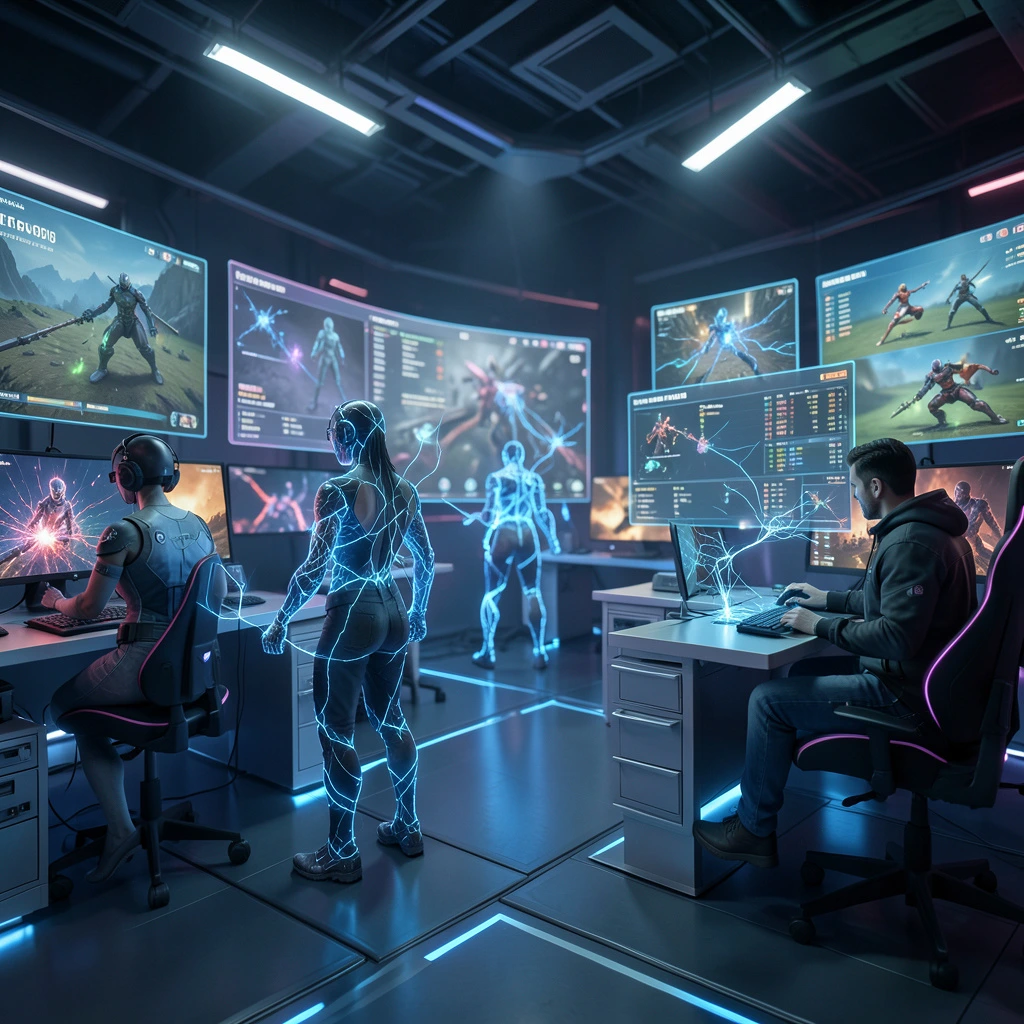
The first time I watched DeepMind’s AlphaStar dismantle professional StarCraft II players in 2019, I knew the game development landscape had fundamentally shifted. Here was an AI system that didn’t just play the game competently it displayed creativity, strategic depth, and adaptability that rivaled the best human competitors. That moment crystallized years of evolution in how we approach training game bots.
Having worked adjacent to game development studios and covered this technology for nearly eight years, I’ve witnessed the journey from scripted bot behavior to genuinely intelligent virtual opponents. The transformation hasn’t been gradual; it’s been revolutionary.
Understanding AI Driven Bot Training
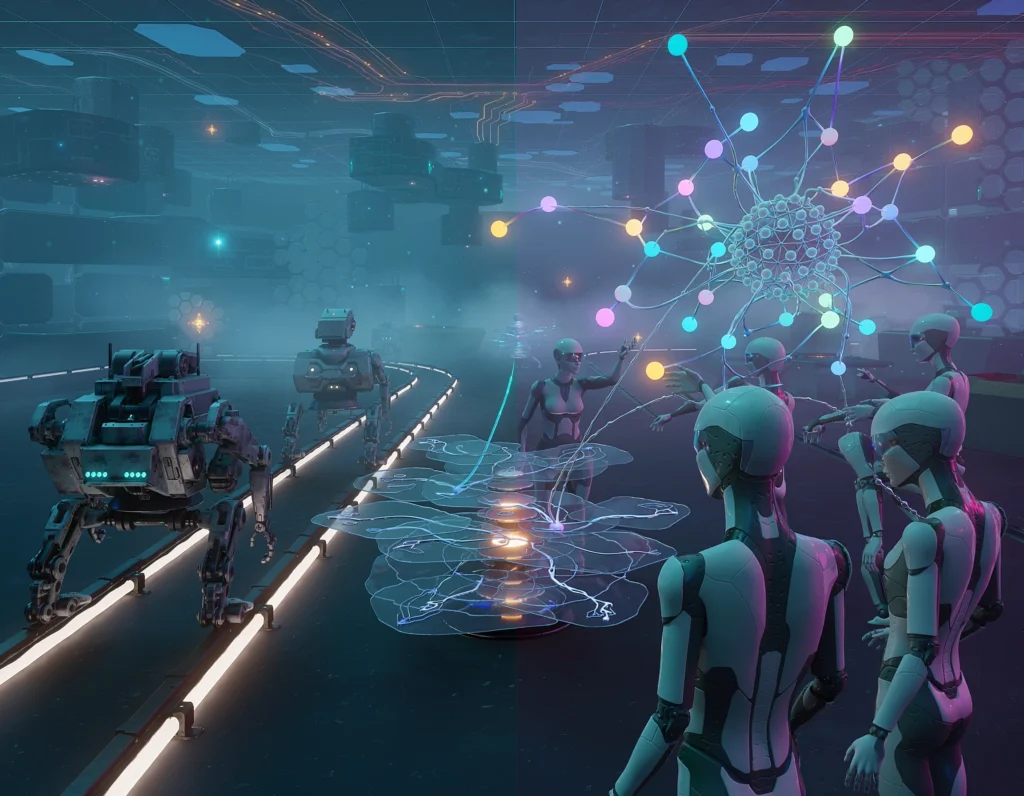
Traditional game bots operated on decision trees and predetermined scripts. Developers would manually program every possible response: if player does X, bot does Y. This approach worked for simple games but crumbled when complexity increased. Players quickly learned patterns and exploited them mercilessly.
Modern AI trained bots operate differently. Instead of explicit programming, these systems learn through experience playing thousands or millions of matches against themselves, other bots, or human players. They discover strategies organically, often finding approaches that human developers never anticipated.
The distinction matters enormously. Scripted bots feel mechanical because they are mechanical. AI trained bots can surprise you, adapt to your playstyle, and evolve their tactics mid match. That unpredictability creates genuinely engaging gameplay experiences.
The Core Training Methods Behind Intelligent Bots
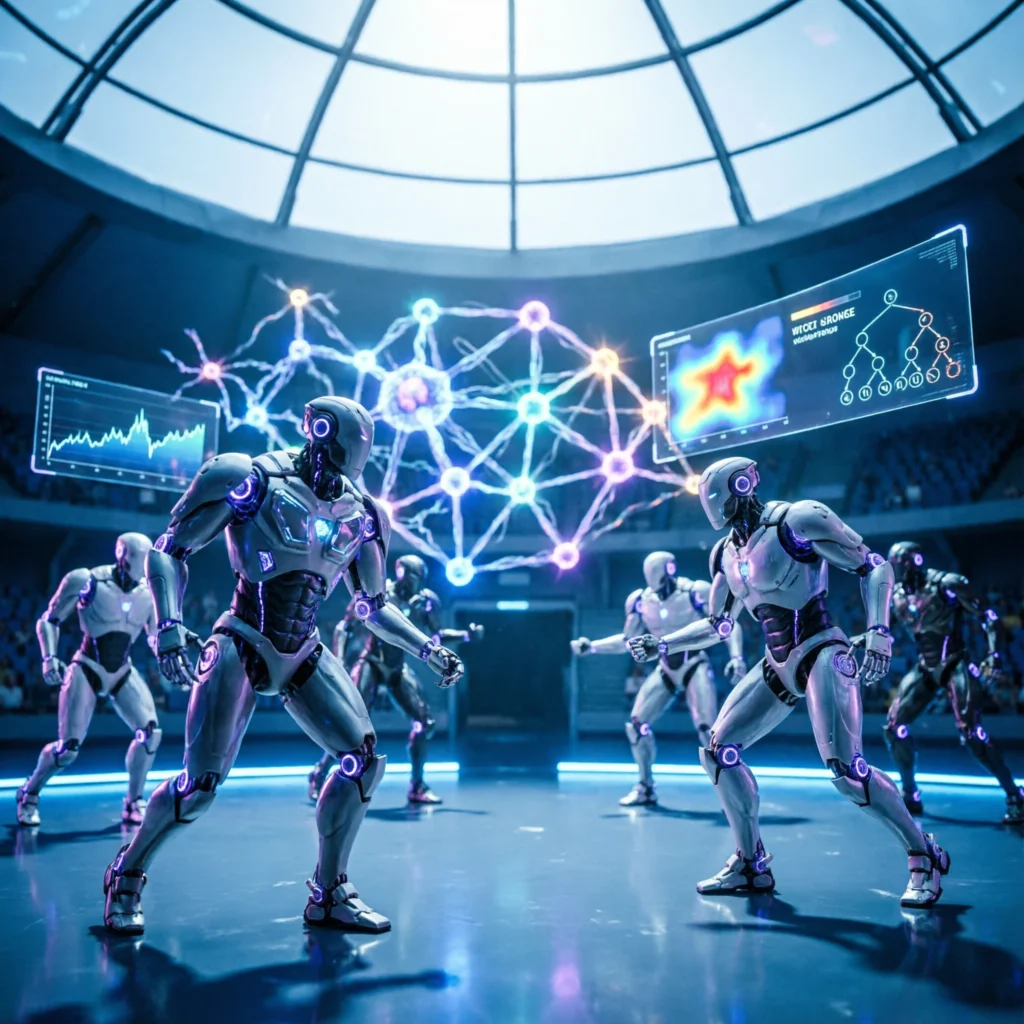
Several techniques power today’s sophisticated game bots, each with distinct strengths depending on the game type and desired behavior.
Reinforcement Learning
This approach mirrors how humans learn many skills through trial and error with feedback. The bot receives rewards for successful actions and penalties for failures, gradually discovering which behaviors lead to positive outcomes.
OpenAI’s Dota 2 project demonstrated reinforcement learning’s potential spectacularly. Their system, OpenAI Five, trained by playing the equivalent of 45,000 years of gameplay against itself. The resulting bot team could compete with world class professional players, executing complex strategies and real-time adaptations that seemed almost intuitive.
The beauty of reinforcement learning lies in its emergent behavior. Nobody programs specific tactics the system discovers them. I’ve seen trained bots develop flanking maneuvers, bait-and-switch tactics, and resource management strategies that surprised even their creators.
Imitation Learning
Sometimes you want bots that play like humans rather than optimally. Imitation learning analyzes recordings of human gameplay and trains bots to replicate those patterns.
This technique proves particularly valuable for games where human like behavior matters more than peak performance. Fighting games, sports titles, and cooperative experiences benefit from bots that make believable mistakes and exhibit recognizable human tendencies.
Gran Turismo’s Sophy AI used a hybrid approach, combining reinforcement learning with human driving data to create opponents that race aggressively but fairly mimicking the competitive spirit of real motorsport rather than exploiting every possible advantage.
Self Play Systems
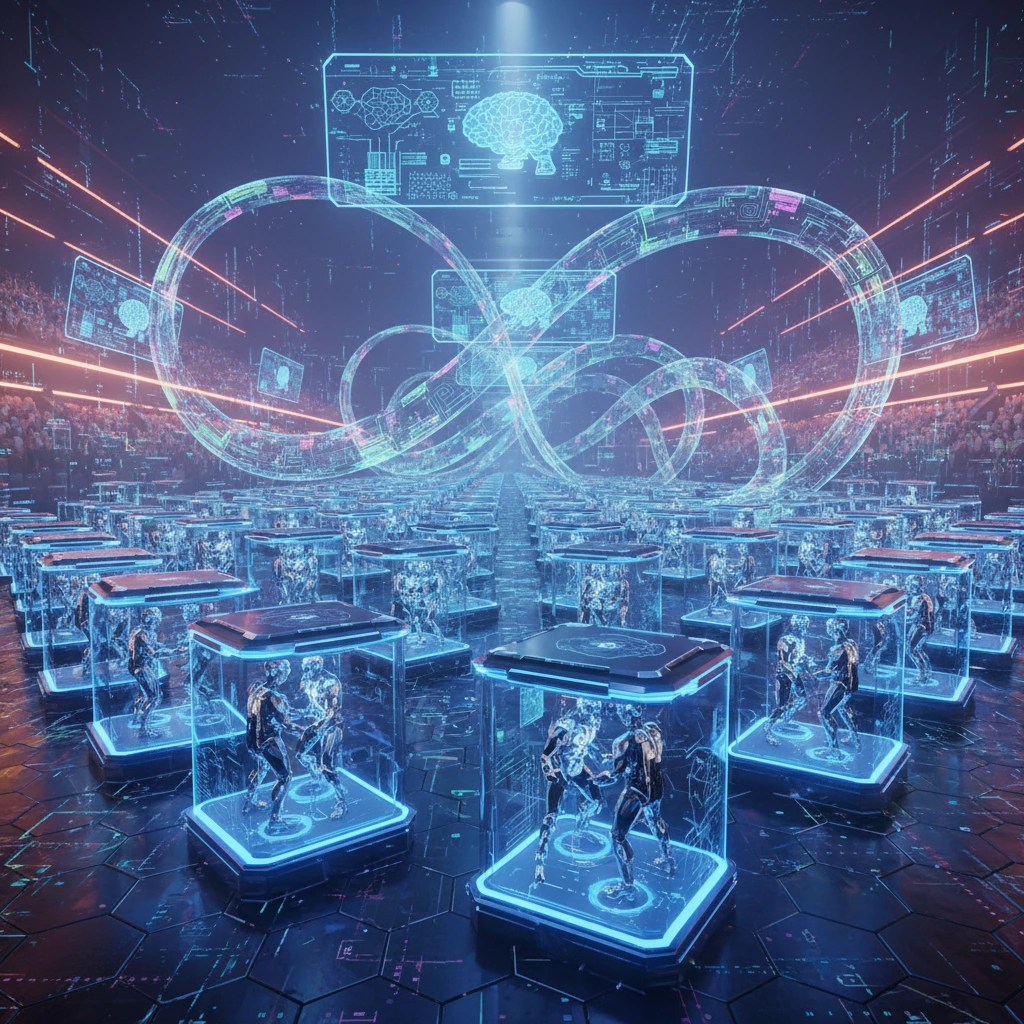
Perhaps the most fascinating training method involves bots competing exclusively against themselves. Without human data to bias their learning, these systems often develop entirely novel strategies.
The chess and Go programs that defeated world champions used extensive self play training. In gaming contexts, this technique creates opponents that challenge players in unexpected ways, forcing adaptation and skill development.
Real World Applications in Game Development
Major studios have embraced AI bot training across various genres and purposes.
Electronic Arts deployed machine learning systems for FIFA’s opponent AI, analyzing millions of real matches to create bots that employ tactics actually used by human players. The result feels noticeably more authentic than previous iterations that relied on scripted behaviors.
Ubisoft’s research division has explored adaptive difficulty systems where bots adjust their skill level dynamically based on player performance. Rather than simple difficulty sliders, these systems create opponents that provide consistent challenge without frustration.
Indie developers are increasingly accessing these technologies too. Unity and Unreal Engine now offer machine learning integration tools that smaller studios can leverage without building custom infrastructure from scratch.
The Practical Challenges Nobody Talks About
Training effective game bots with AI isn’t straightforward, and the challenges extend beyond technical complexity.
Computational costs represent significant barriers. Training sophisticated bots requires substantial processing power and time. OpenAI reportedly spent millions on compute resources for their Dota project. Most studios can’t justify such investments for standard bot opponents.
Balancing entertainment versus optimization creates ongoing tension. Bots trained purely on winning often develop strategies that feel unfun or unfair. A fighting game bot that perfectly blocks every attack isn’t enjoyable to fight, even if it’s technically impressive.
Testing and validation consume considerable resources. Unlike traditional programming where behavior is deterministic, AI-trained bots can behave unpredictably. Quality assurance teams must test extensively to ensure bots don’t develop exploitative or broken behaviors that slip through training.
There’s also the replication problem. Training runs don’t always produce identical results. Two bots trained with identical parameters might behave quite differently, making consistent game experiences harder to guarantee.
Where This Technology Is Heading
The trajectory points toward more accessible, more sophisticated, and more specialized bot training systems.
Cloud based training services are democratizing access to computational resources. Studios can rent training infrastructure rather than building their own, dramatically lowering entry barriers.
Transfer learning applying knowledge from one game to another shows promising results. Bots trained on one racing game might learn driving fundamentals applicable across similar titles, reducing training requirements for subsequent projects.
Personalized bot opponents represent an exciting frontier. Imagine training bots specifically on your playing style, creating practice partners that challenge your particular weaknesses. Some competitive games are already experimenting with this concept.
Balancing Power and Responsibility
As these systems grow more capable, ethical considerations become increasingly important. Bots that learn too well might discourage new players. Systems that adapt too aggressively could feel manipulative rather than challenging.
Transparency matters too. Players deserve understanding of when they’re facing AI opponents versus humans, and developers should consider how AI behavior affects overall game health.
The most successful implementations balance technological capability with thoughtful design. The goal isn’t creating unbeatable opponents it’s crafting engaging experiences that keep players coming back.
Frequently Asked Questions
How long does it take to train a game bot with AI?
Training duration varies dramatically based on game complexity and desired sophistication. Simple bots might train in hours, while advanced systems like OpenAI Five required months of continuous training.
Can small developers use AI bot training techniques?
Yes, increasingly so. Game engines now offer built-in machine learning tools, and cloud computing services make advanced training accessible without massive hardware investments.
Do AI-trained bots always outperform scripted bots?
Not necessarily. AI trained bots excel at complex, strategic games but might be overkill for simpler experiences where traditional scripting works perfectly fine.
What games have successfully used AI-trained bots?
Notable examples include Dota 2 (OpenAI Five), StarCraft II (AlphaStar), Gran Turismo (Sophy), and various implementations in FIFA, Fortnite, and racing simulators.
Can players notice the difference between AI-trained and scripted bots?
Experienced players often notice AI-trained bots feel more unpredictable and adaptive. They’re harder to exploit through pattern recognition compared to traditionally programmed opponents.